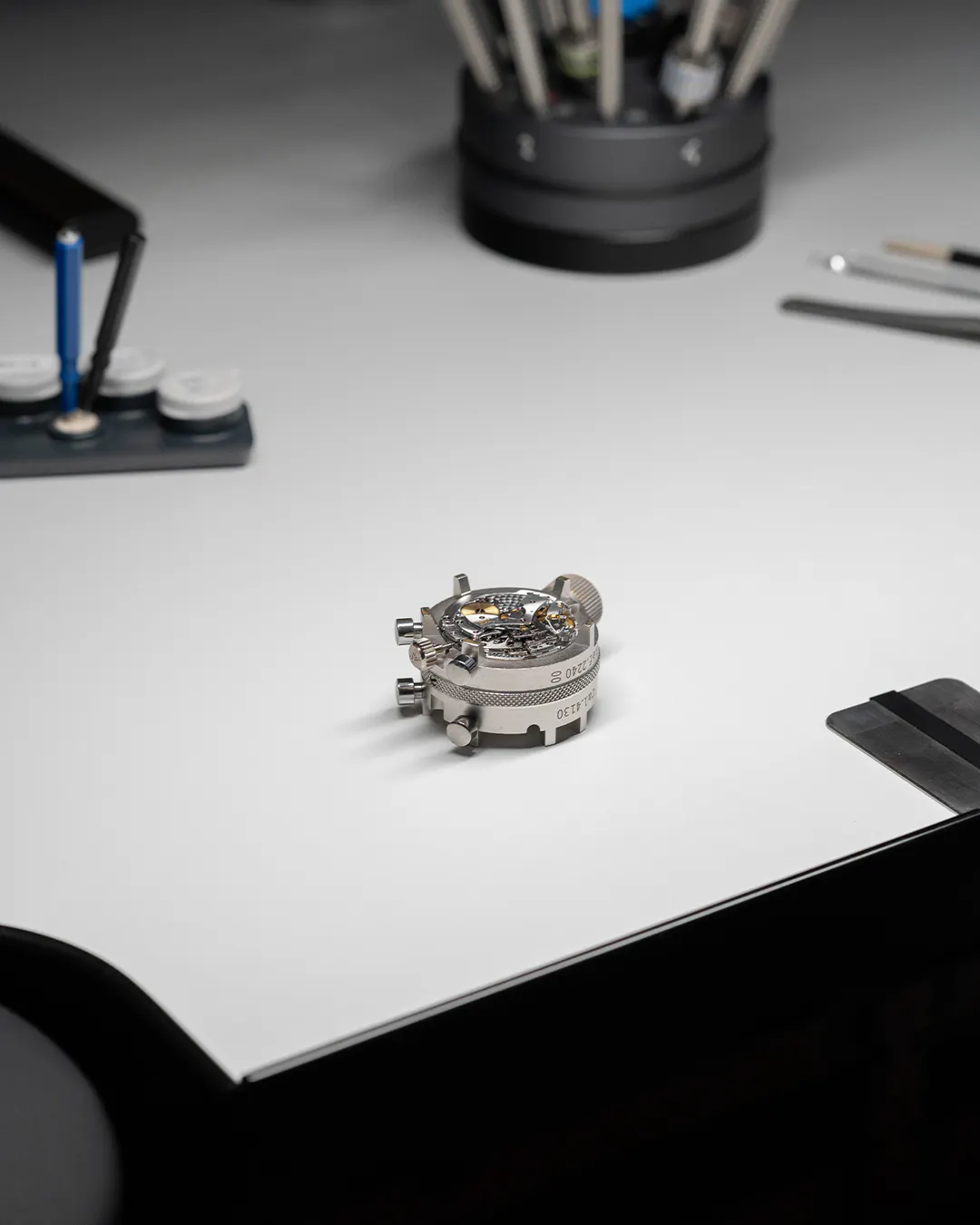
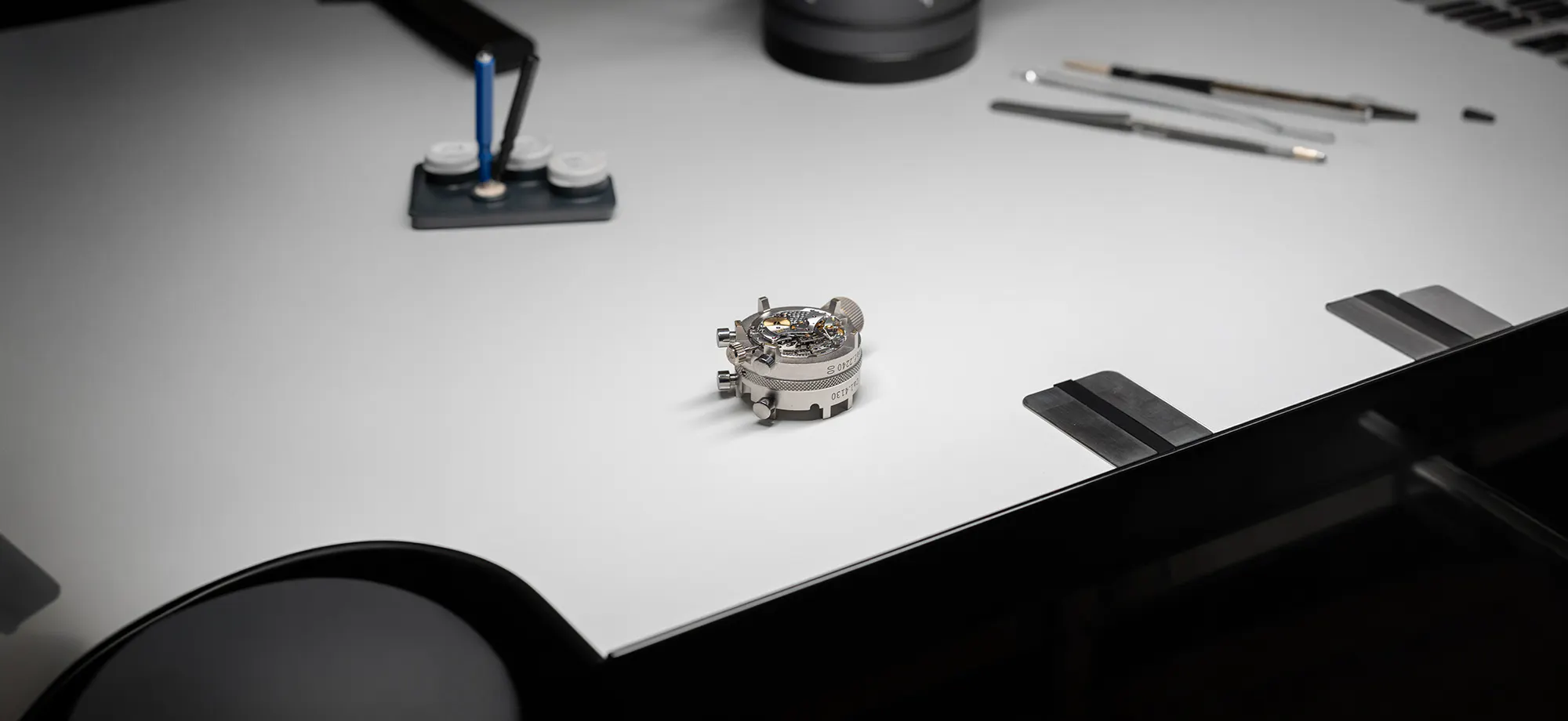
Inside the Looshaus, Schullin continues a watchmaking tradition that has shaped the family business for more than a century.
01.06.2023
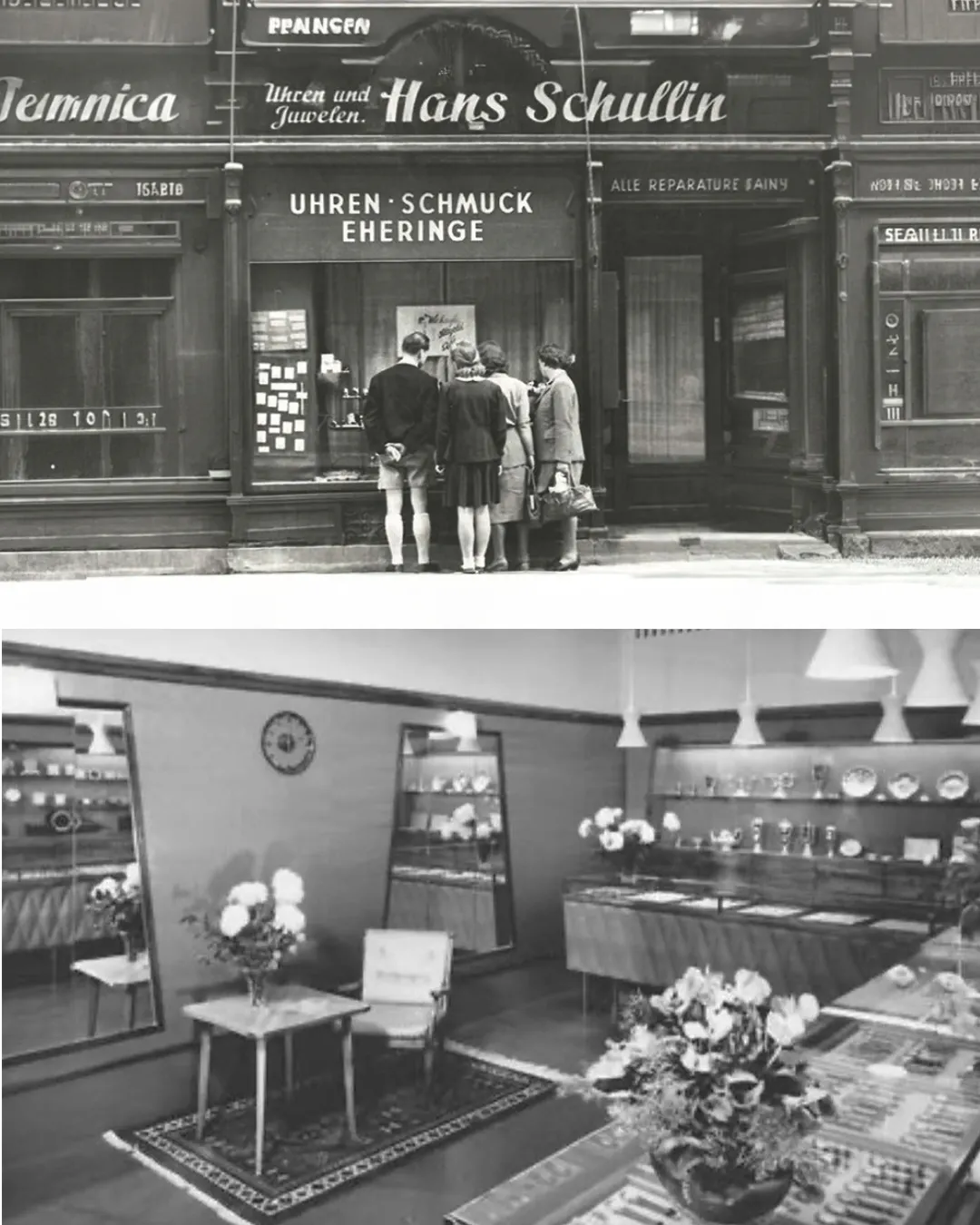
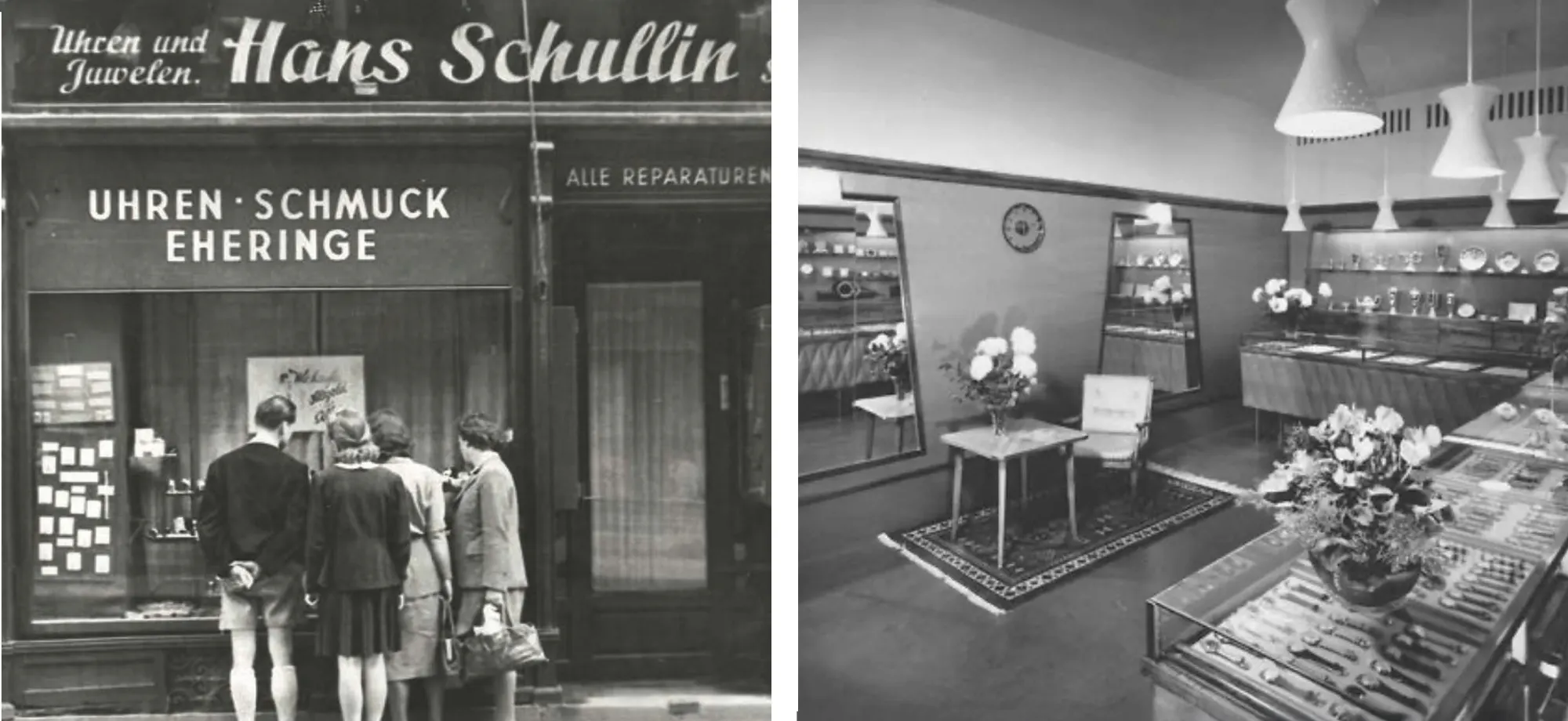
Watchmaking has been part of Schullin from the beginning. In 1888, Johann Schullin became a watchmaker, followed by the opening of his own watchmaking workshop in 1910. Today, this tradition continues in the Schullin watch atelier in Vienna's Looshaus.
Watchmaking at the Looshaus
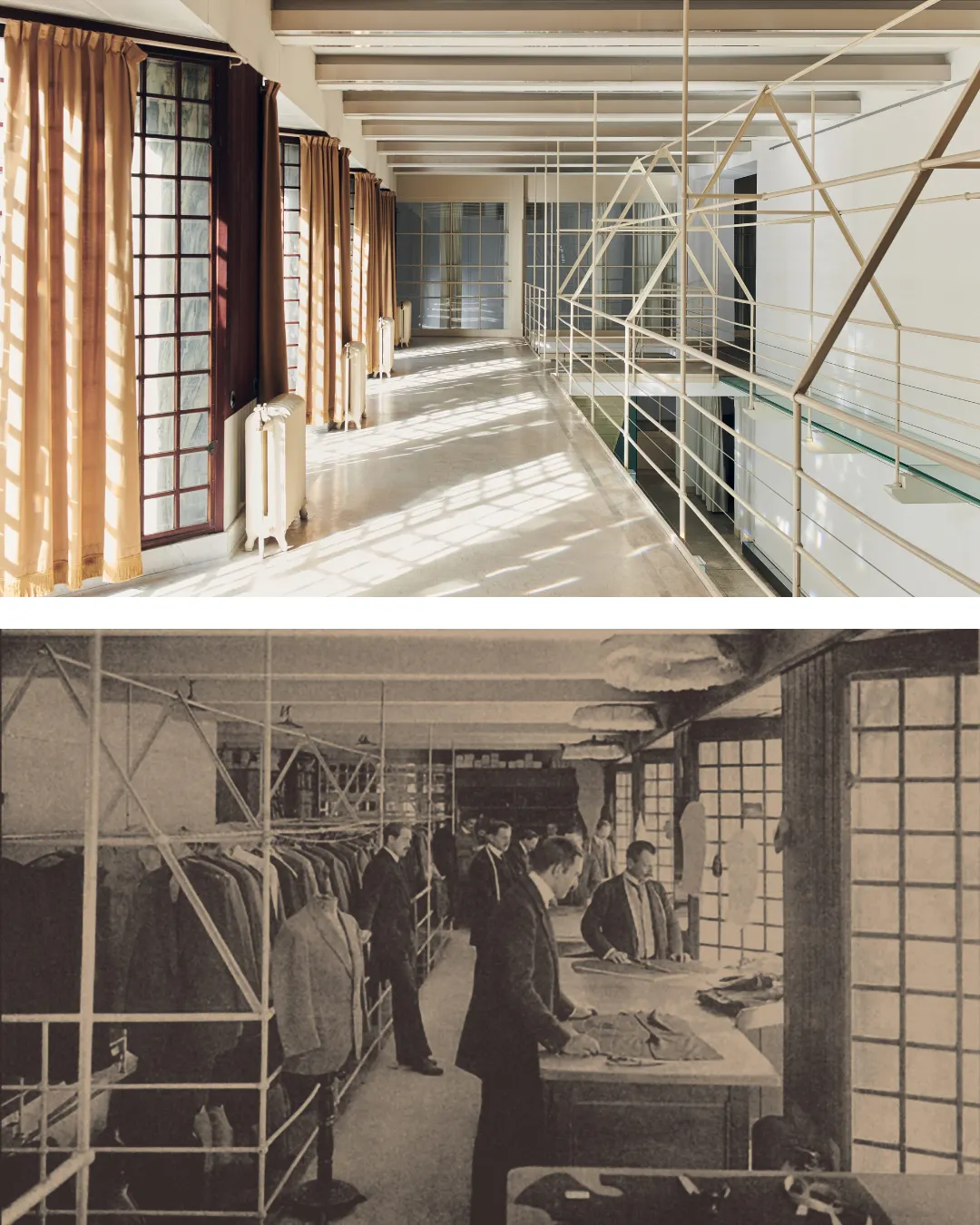
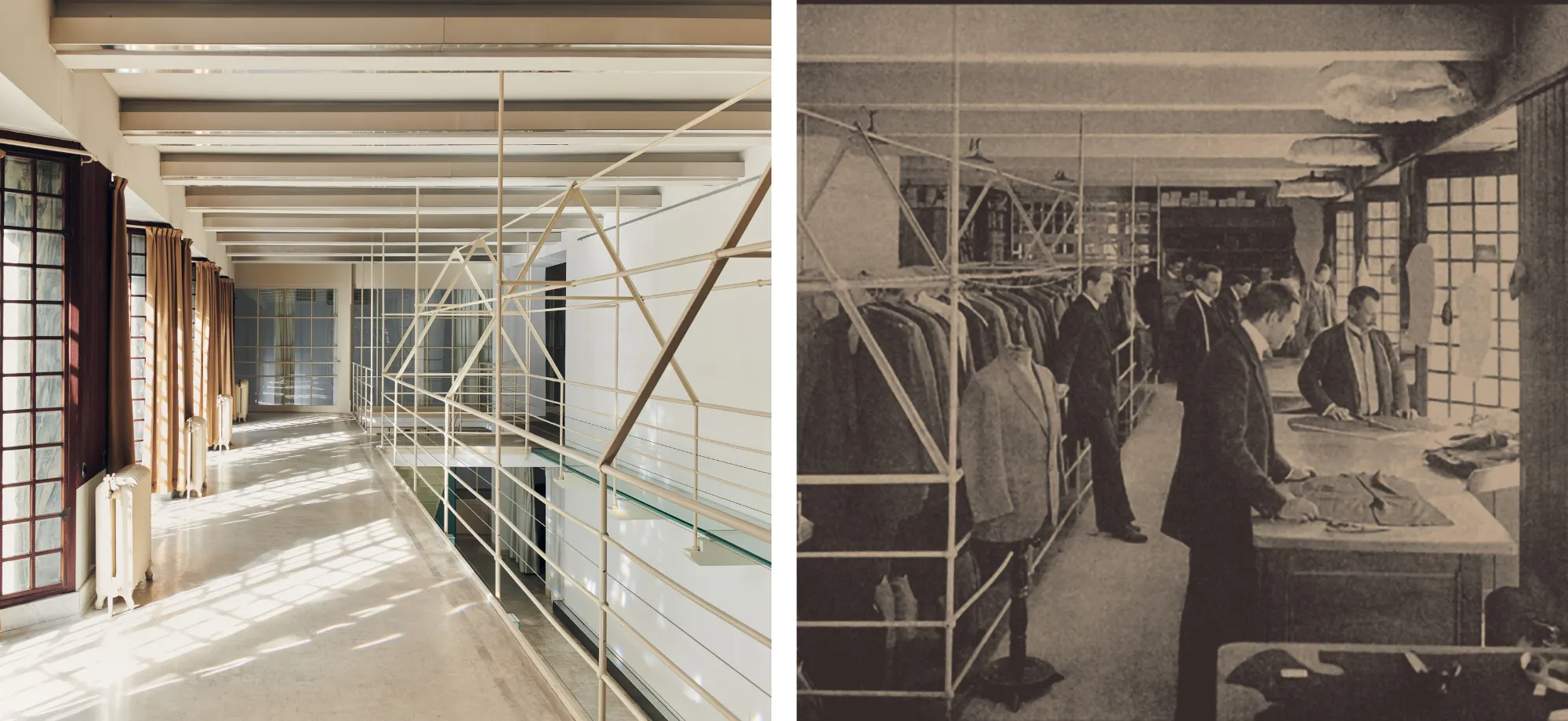
Designed by Adolf Loos between 1909 and 1911, the Looshaus was originally created for the gentlemen's outfitter Goldman & Salatsch. Its workshops were an essential part of the building and were organised according to the different working processes taking place within them. Function determined the architecture, from the arrangement of the rooms to their varying heights.
Since Schullin expanded into the Looshaus in 2024, craftsmanship has once again become part of the building's daily life.
At the watchmaker's bench
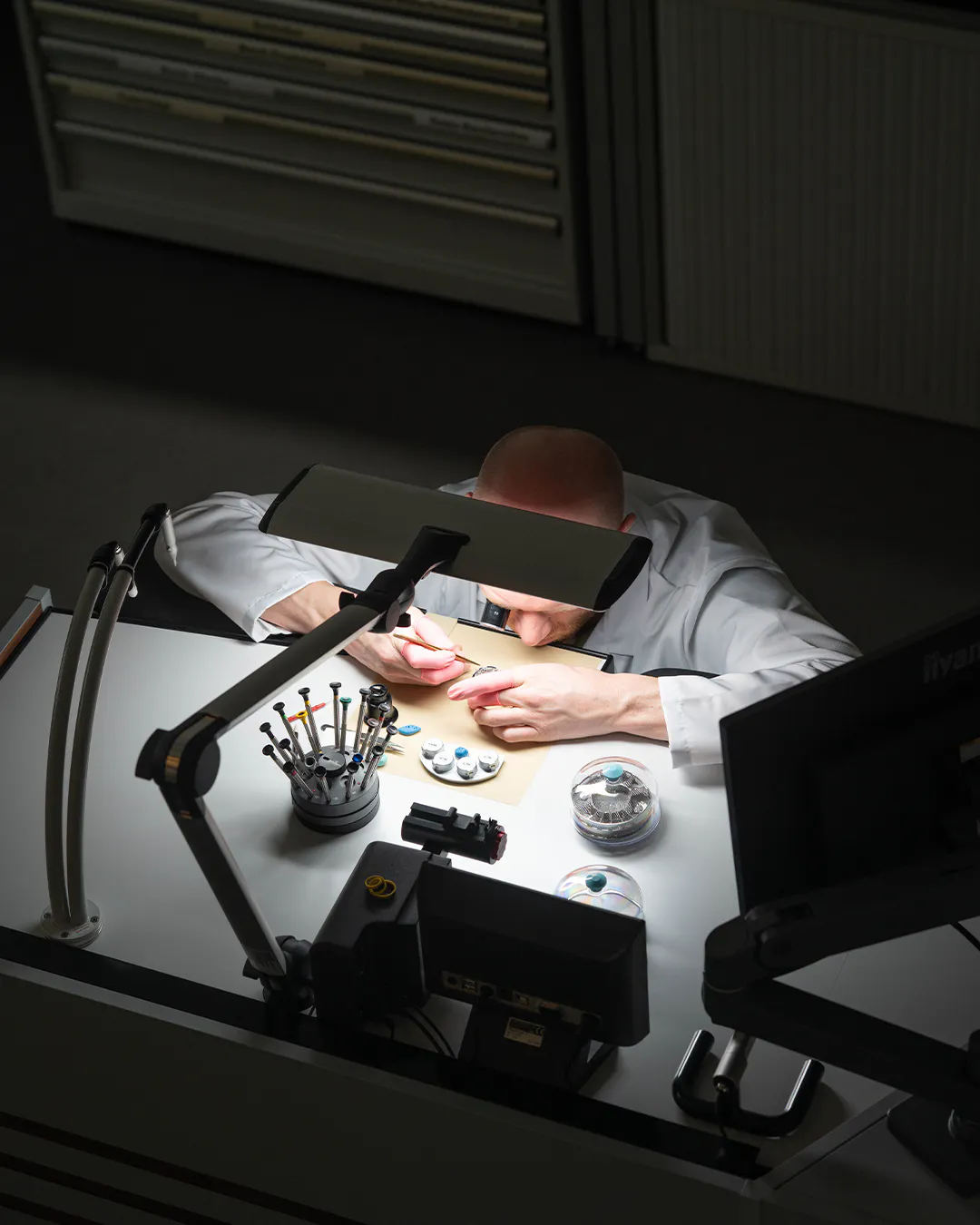
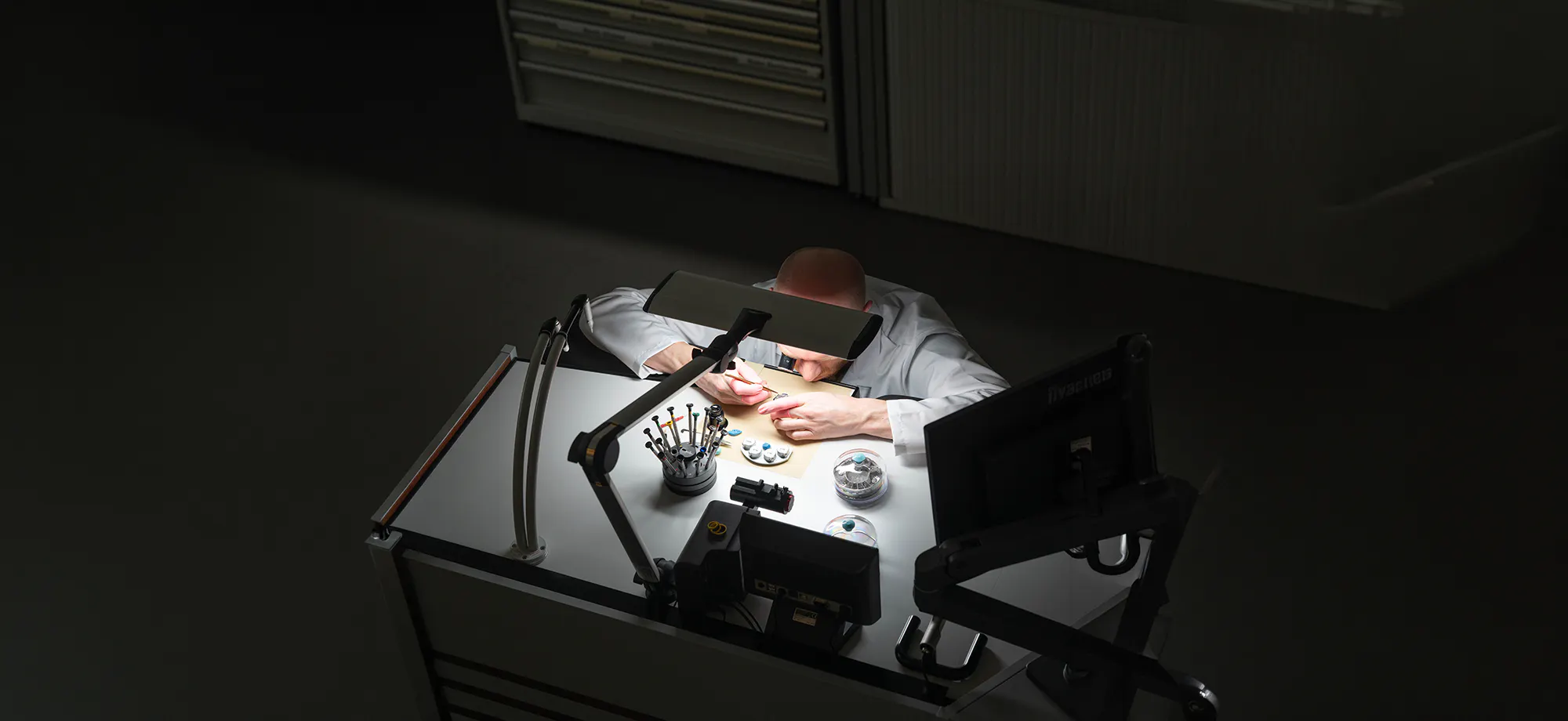
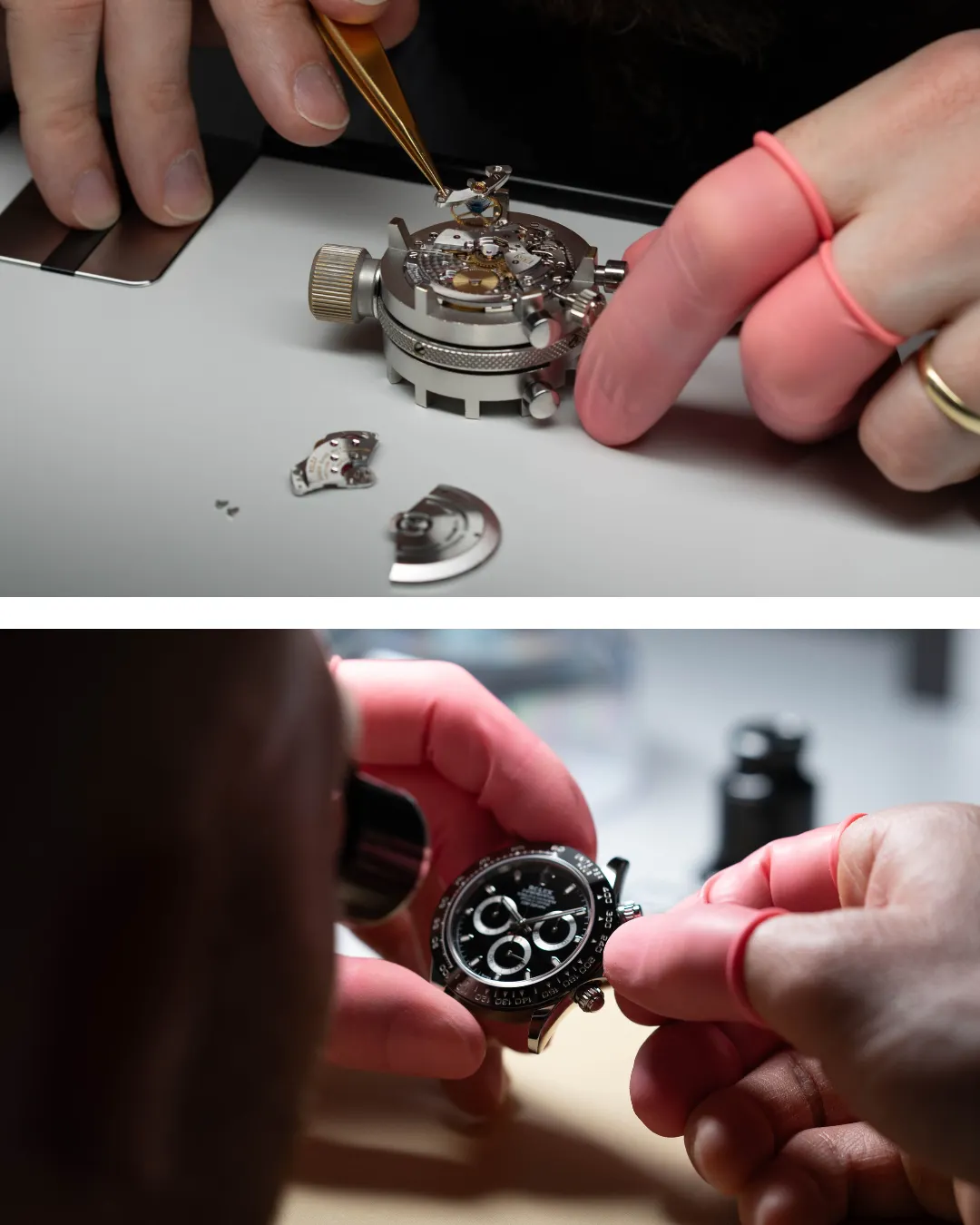
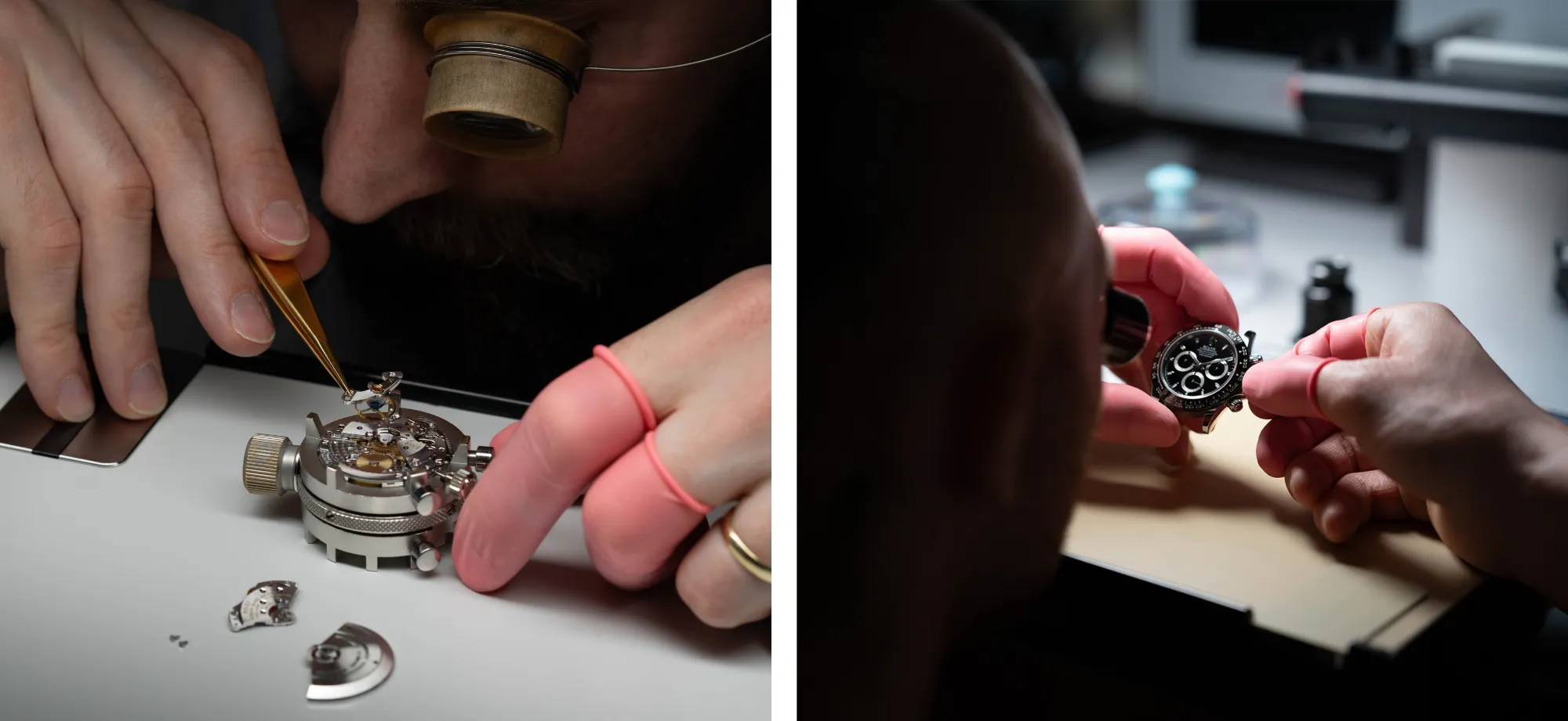
Inside the atelier, mechanical watches are examined, serviced and repaired by trained watchmakers. Movements are opened and carefully inspected, allowing the watchmaker to assess the condition of the individual components before carrying out the necessary work.
Working under magnification, the watchmaker handles components that are often only a few millimetres in size. Specialised tools and measuring instruments accompany each stage, from dismantling the movement to its reassembly and final inspection
The work requires technical knowledge, experience and, above all, precision. A mechanical watch depends on the interaction of numerous individual components, and even the smallest adjustment can influence its performance.
Continuing a Schullin tradition
More than a century separates Johann Schullin's first watchmaking workshop from the atelier in the Looshaus today. The tools and movements have evolved, but watchmaking remains part of the foundation on which Schullin was built.
Today, the atelier brings this history into the present: a working watchmaking workshop within a building whose architecture was itself conceived around the relationship between craft and function.
We only offer payment via Bank Transfer in order to ensure the best protection of your personal details and not store any bank details on our platforms.
Shipping & Returns
Schullin Wien exclusively ships via FedEx or UPS, providing free and insured worldwide shipping. You may return or exchange for your jewellery within 30 days.
Authentic Guarantee
When you purchase a jewellery creation online, it will be accompanied by a certificate of authenticity and by independent, third party gemstone certificates, when applicable.